
What is Red Light Therapy?
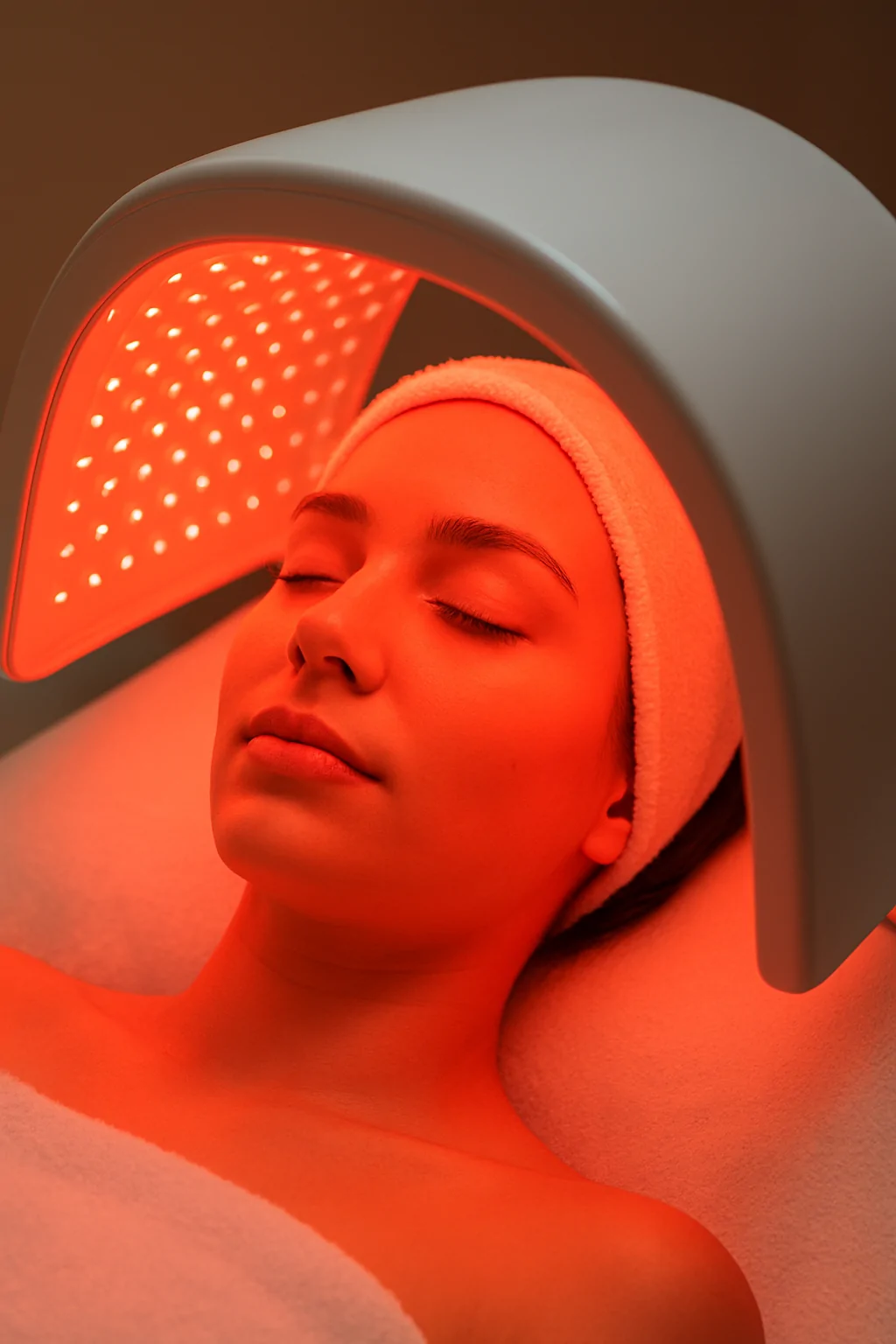 Red Light Therapy: What the Science Says
Red light therapy — also known as photobiomodulation or low-level light therapy (LLLT) — has moved from a niche dermatological tool to a rapidly growing area of wellness and medicine. But does it actually work? Here’s what the research tells us.
What Is Red Light Therapy?
Red light therapy is a treatment that may help skin, muscle tissue, and other parts of the body heal. It uses low levels of red light to target the skin and cells, and is thought to work by increasing the production of mitochondria — the cells’ energy sources — which may improve cell function and repair. WebMD
Modern photobiomodulation uses red and near-infrared light comprising wavelengths from about 600 to 1,100 nanometers to influence cellular processes. It emerged in the 1960s after Hungarian scientists accidentally discovered that low-level red light stimulated hair growth in rodents. Interest accelerated in the 1990s, when NASA scientists experimenting with using red LEDs to grow plants in space noticed that small cuts on their hands healed unusually quickly under the lights. Scientific American
Key Benefits Supported by Research
1. Skin Health & Anti-Aging
Red light therapy is thought to stimulate collagen production, increase fibroblast production, increase blood circulation to tissue, and reduce inflammation in cells. Cleveland Clinic Research shows it may smooth skin and help with wrinkles by stimulating collagen production, which helps improve skin elasticity, and also helps improve signs of sun damage. WebMD
2. Hair Growth
Overall, studies show that there is benefit with hair growth, and evidence to suggest it can reduce inflammation of tissues. Stanford Medicine A 2025 major consensus review concluded that the therapy was safe and effective for androgenic alopecia, a type of pattern hair loss. Nature
3. Pain & Inflammation Relief
Research shows that red light therapy may be useful for relieving some types of pain, particularly pain due to inflammation. A review of 11 studies looking at the effect of red light therapy on pain found mostly positive results. WebMD
4. Wound Healing & Tissue Repair
Since 2020, red-light therapy in the mouth has been included in clinical guidelines for preventing and treating cancer-therapy-related oral mucositis — painful mouth ulcers that can limit treatment and disrupt nutritional intake. Nature
5. Cognitive Function
Early research conducted on patients with dementia shows significant improvements in cognitive function after treatment with intranasal and transcranial red light therapy. A 2021 study exposed participants to red light therapy for six minutes daily for eight weeks, and researchers saw positive cognitive improvements with no significant adverse effects in people with mild to moderate dementia. UCLA Health
6. Athletic Recovery & Broader Conditions
Clinical trials have reported improved muscle recovery in athletes, as well as reductions in depression symptoms and in pain for people with osteoarthritis and fibromyalgia. Scientific American
How Safe Is It?
Red light therapy appears to be safe and isn’t associated with side effects, at least if used short-term and as directed. It is not toxic, not invasive, and not as harsh as some topical skin treatments. Unlike cancer-causing ultraviolet (UV) light, red light therapy does not use UV light. Cleveland Clinic
The Bottom Line
A reasonable body of clinical trial evidence exists to support the role of low-energy red/near-infrared light as a safe and effective method of skin rejuvenation, treatment of acne vulgaris and alopecia, and especially body contouring. PubMed That said, experts consistently note that many studies are small, and that more large-scale, well-controlled trials are needed to firmly establish optimal dosing and long-term effects.
There is promise and scientific evidence to back some uses in a clinical dermatology setting, particularly for hair growth and skin rejuvenation. Stanford Medicine As with any therapy, consulting a dermatologist or healthcare provider before starting treatment — especially with at-home devices — is always advisable.
References:
- Stanford Medicine – Red light therapy: What the science says (Feb. 2025)
- WebMD – Red Light Therapy: Effectiveness, Treatment, and Risks (May 2024)
- Nature – The surprising science behind red-light therapy (Mar. 2026)
- Scientific American – Does red-light therapy work? What the research says (Mar. 2026)
- UCLA Health – 5 health benefits of red light therapy (Apr. 2025)
- Cleveland Clinic – Red Light Therapy: Benefits, Side Effects & Uses (Dec. 2025)
- PubMed/NCBI – Photobiomodulation: The Clinical Applications of Low-Level Light Therapy (2021)
- PMC – A Controlled Trial to Determine the Efficacy of Red and Near-Infrared Light Treatment (2014)